24/7 emergency water damage. On site within 60 minutes.
24/7 emergency water damage. On site within 60 minutes.
IICRC certified · Water and mold
Attics are the other place mold gets a long head start. A small roof leak nobody noticed, a bath fan venting into the insulation, summer heat, and a year later there is growth across the sheathing. We contain, remove what is affected, treat the framing and dry it out. Call (910) 606-6161.
Above the ceiling
Heat, a slow leak and nobody looking. Attic mold is usually a year old before anyone smells it.
Slow leaks that wet the sheathing after every rain.
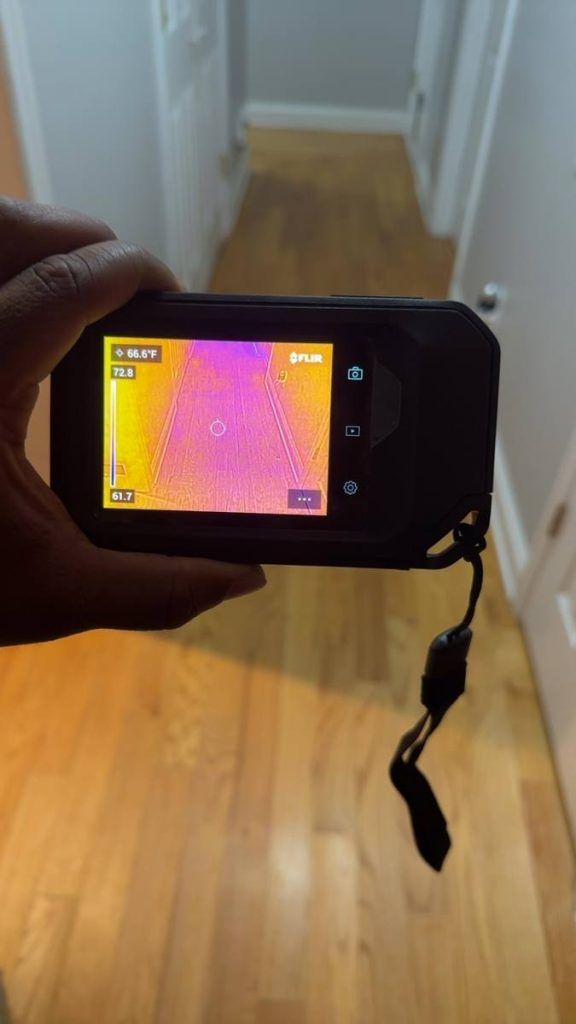
By the time a stain shows on a ceiling, the insulation and framing above it have been wet for a while. We find how far the moisture spread with a thermal camera, remove insulation that cannot be saved, HEPA vacuum and treat the rafters and sheathing, and dry the space.
Learn more →Slow leaks that wet the sheathing after every rain.
Warm, wet air dumped onto cold sheathing every morning.
Condensation on cold ducts in a hot attic.
Failed tanks and overflowing pans.
The first sign most people see.
A free inspection settles it.
Scope and pricing
What we don't do: roofing, re-ducting bath fans or insulation installation. We remove the mold and dry the space. Stopping the moisture source above the roofline is a separate trade.
The inspection is free. If the mold came from a sudden water loss that your policy covers, we document it the same way we document the water and bill the carrier directly.
Most mold jobs are paid out of pocket. You get a written scope before we start, and we tell you up front if a detailed written estimate carries a fee.
North Carolina does not license mold remediation. We hold IICRC certification in mold remediation and carry liability insurance.
How it works
Moisture meters, a thermal camera and a look at where the air and water move. Photos start here.
Poly barriers and negative air around the work area so nothing rides the HVAC into clean rooms.
Affected drywall, insulation and porous materials come out bagged. Framing and hard surfaces get HEPA vacuumed and treated.
Air movers and dehumidifiers bring the area to normal moisture levels, checked with readings, not by feel.
Photos, moisture readings and the scope of what came out, for your records or your claim.
Containment stays up until the readings say the area is dry.
Call (910) 606-6161Insurance
Sometimes. It depends on what caused it, and most policies cap mold coverage.
Mold that grew from a sudden, covered water loss is often covered up to a mold limit written into the policy. Mold from humidity, long-term leaks or deferred maintenance usually is not. We document the source and the moisture so the claim is decided on facts. We cannot promise how a carrier will rule.
We write the estimate in Xactimate, keep daily drying logs and photos, meet the adjuster on site, and bill the carrier directly. How we handle insurance claims
1. Call us first so the drying starts.
2. Call your carrier and open a claim.
3. Send us the claim number and adjuster name.
We do the rest.
We photograph and meter everything before anything moves, so the loss is on record.
Drying starts the same day. You open the claim; we send the estimate and logs.
On site, with the Xactimate scope. Direct billing; you pay the deductible.
Recent work
Real water damage jobs in the Triangle, photographed by our crew.
Reviews
29 Google reviews from Raleigh-Durham homeowners, 5.0 average.
60 minutes
Emergency response
5.0 ★
29 Google reviews
IICRC
Water and mold certified
Insured
Liability coverage on file
Veteran-owned
Family and locally owned since 2025


FAQ
Why is there mold in my attic?
Moisture plus heat. A roof leak, a bath or dryer vent dumping into the attic, or ducts sweating in summer. The inspection finds which one.
Do you fix the roof or the vent?
No. We remediate the growth and dry the space. The roof repair or fan re-routing is a separate trade, and the mold comes back if it is not done.
Does attic mold affect the rest of the house?
It can. Attic air moves into living space through gaps and the HVAC. Containment and negative air during the work keep it from spreading.
Does the insulation have to come out?
Insulation that is wet or has growth on it comes out. Clean, dry insulation can stay. We tell you which is which.
How long does it take?
Most attics run two to three days on site plus drying, depending on size and access.
Do you charge for the inspection?
No. Moisture mapping and a thermal scan are free. If you need a written estimate for a non-insurance job, we say up front whether there is a fee.
Call or text and the owner answers. If it is an emergency, say so and we roll.
Call (910) 606-6161